
CHARLESTOWN · LAKE MACQUARIE · NSW
On the ridge, the garage door tells you first.
Charlestown sits a hundred metres up, on split-level streets with old coal workings underneath. When a frame moves even a few millimetres, the biggest moving part of the house is the first thing to complain. So we put a level on it before we say a word.
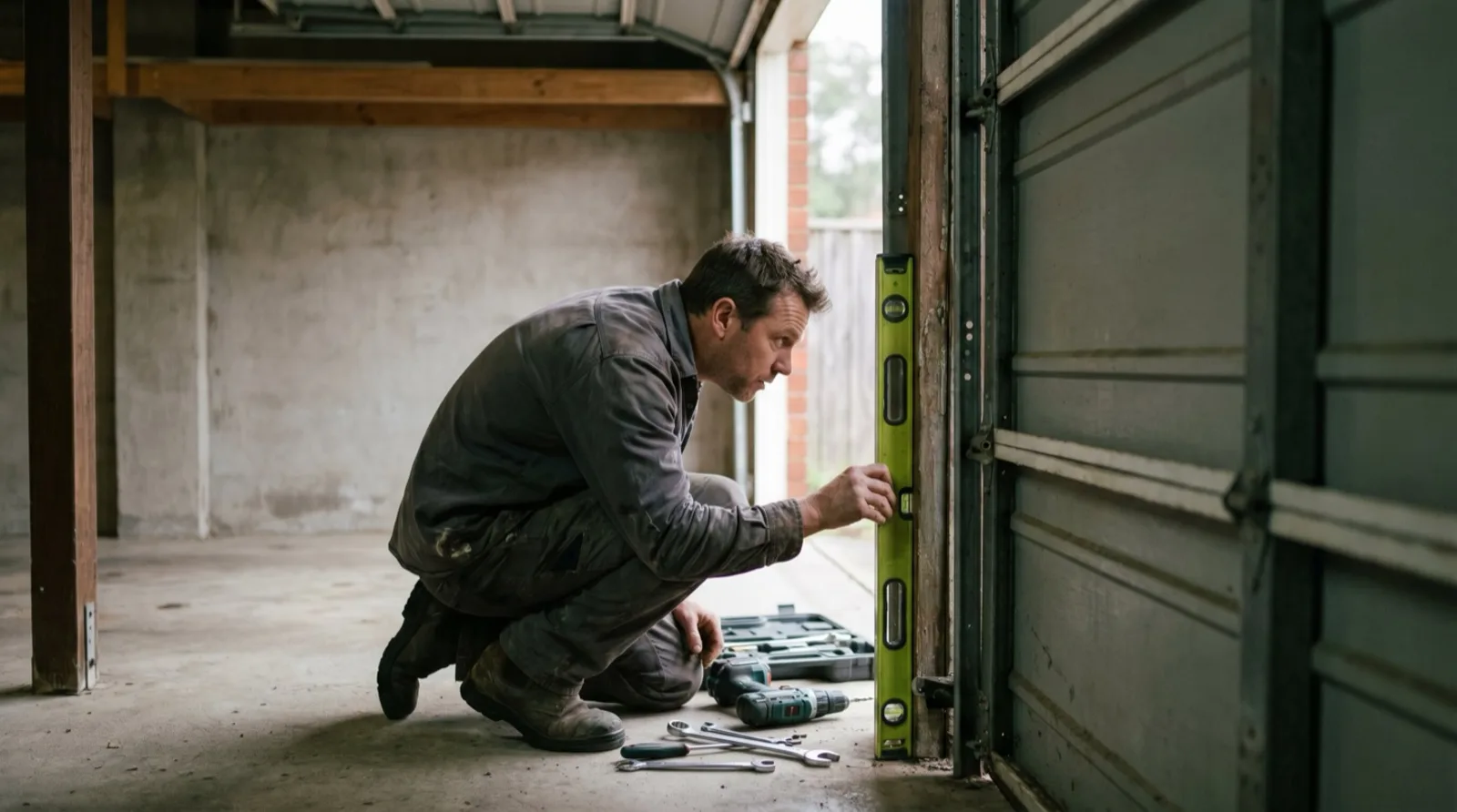
What's the door doing?
Start with the symptom.
A door that ran fine for years and now scrapes, sticks or slams is telling you something specific. Pick the closest reading and the Level Check will walk you through what it usually means here.
 Scrapes or rubs on one side
usually low on one jamb, worse near the floor
RUN THE LEVEL CHECK →
Scrapes or rubs on one side
usually low on one jamb, worse near the floor
RUN THE LEVEL CHECK →
 Daylight at a corner when it's shut
a gap that wasn't there last year
RUN THE LEVEL CHECK →
Daylight at a corner when it's shut
a gap that wasn't there last year
RUN THE LEVEL CHECK →
 Heavy to lift, or slams shut
the counterbalance doing less than it should
RUN THE LEVEL CHECK →
Heavy to lift, or slams shut
the counterbalance doing less than it should
RUN THE LEVEL CHECK →
 Jumps, catches or has come off the track
stop forcing it. seriously.
RUN THE LEVEL CHECK →
Jumps, catches or has come off the track
stop forcing it. seriously.
RUN THE LEVEL CHECK →
 Opener strains, stops or reverses
sometimes the motor, often the door it's dragging
RUN THE LEVEL CHECK →
Won't open at all, and the car's inside
often a snapped spring. it went bang, didn't it.
RUN THE LEVEL CHECK →
Opener strains, stops or reverses
sometimes the motor, often the door it's dragging
RUN THE LEVEL CHECK →
Won't open at all, and the car's inside
often a snapped spring. it went bang, didn't it.
RUN THE LEVEL CHECK →
The ground here
A hundred metres up, with a mining past underneath.
At roughly 103 metres, Charlestown is the high point of the whole Newcastle to Lake Macquarie ring. The Square rides the top of the ridge, and the side streets fall away steeply toward Kahibah, Whitebridge and Gateshead. That slope gave this suburb its split-level brick-and-tile houses, its under-house garages, and its short, steep driveways.
It also sits inside the Lake Macquarie Mine Subsidence District, a NSW Government declared zone over historic bord-and-pillar coal workings. Charlestown's first shaft went down in 1873. Movement today is occasional and very localised, and nobody can tell you from a suburb map what any one block will do. What we can tell you: when a frame does rack a few millimetres, the garage door shows it first. It scrapes, it gaps at a corner, it goes heavy.
OUT-OF-SQUARE IS A SYMPTOM. WE CHECK PLUMB, LEVEL AND SQUARE BEFORE BLAMING THE SPRING.
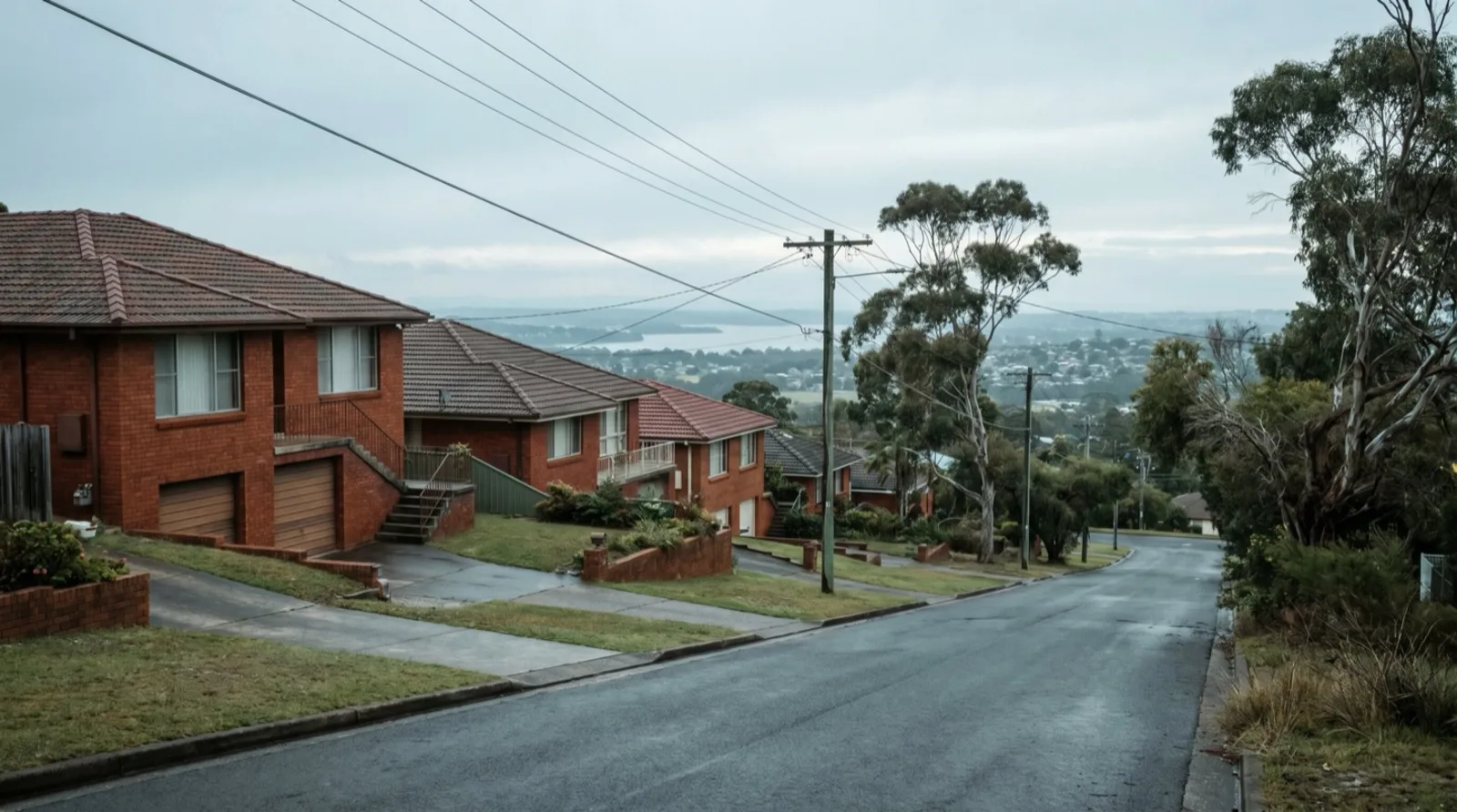
Two ways in
Urgent fault or considered change. Same instrument.
Book a repair
Snapped spring, off the track, scraping, opener down, car stuck under the house. Tell us the symptom and we'll get a technician to the door.
- 01 Send the symptom and your suburb
- 02 We call you back to book a time
- 03 The tech checks plumb, level and square, then gives you the verdict straight
 Free measure & quote
An original tilt door at the end of its life, or a new sectional for a sloped block. Considered work starts with a tape measure, not a brochure.
- 01 Tell us about the opening and the block
- 02 We book a measure at your place
- 03 You get a written quote for a door that actually suits the driveway
You won't find prices on this site, because an honest number needs the opening measured. Repairs are a call-out then the work; new doors are a measure first, then a written quote that holds.
New doors
Doors for blocks that fall away.
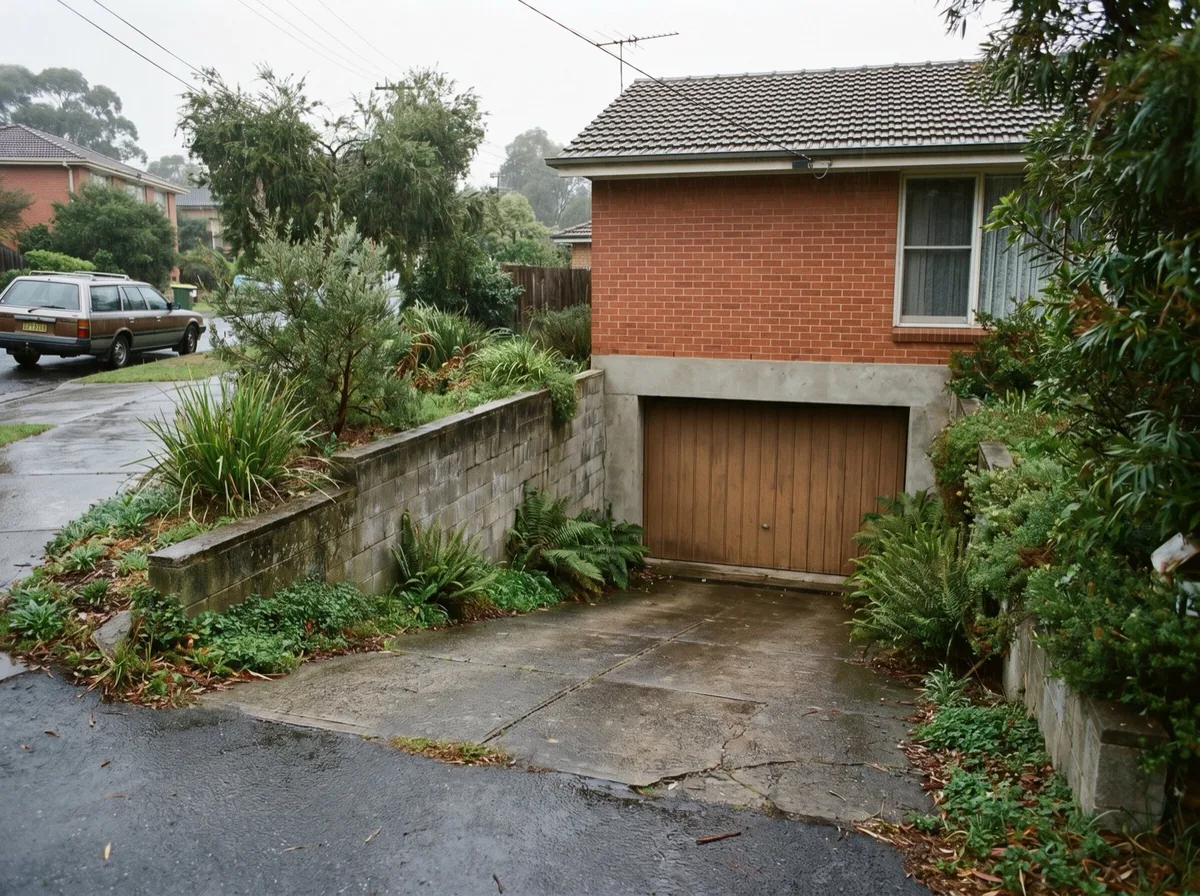
On a flat block, almost any door works. On a ridge-side block with a short steep driveway and a garage tucked under the house, headroom decides everything: a sectional wants roughly 300 to 400 millimetres above the opening, a roller can live with about 200 to 250, and an old tilt door swings out into the driveway you don't have.
A lot of Charlestown's original tilt doors are quietly reaching the end of their life. Replacing one is a chance to get the geometry right for the block, not just hang a new panel in an old argument.
Where we work
The ridge, the downslope, the lake.
Charlestown first, then the streets that fall away from it, then the flatter country around the water. Different ground, different doors, different questions.
SPOT HEIGHTS: SUBURB-CENTROID ELEVATIONS, ROUNDED.
The reading room
Know what you're looking at.
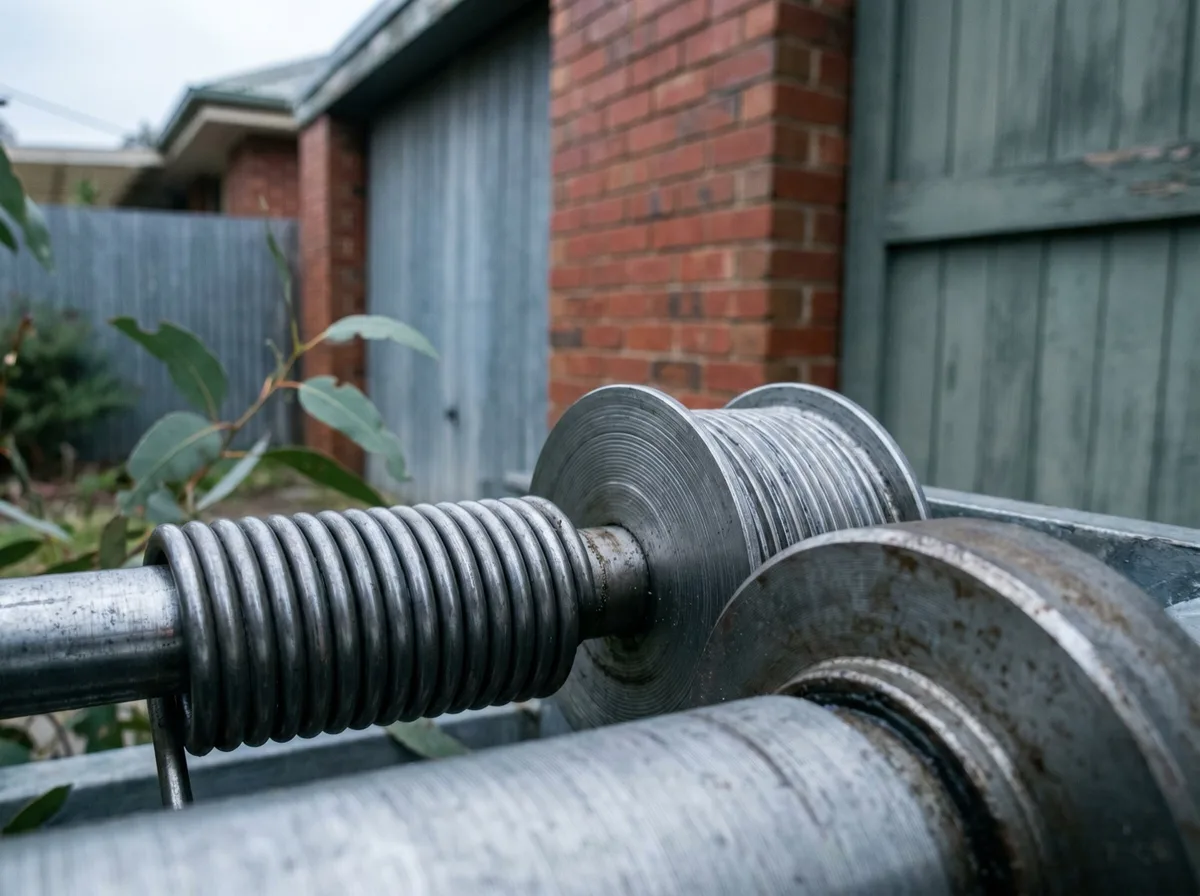
The tool
The Level Check
Answer four quick questions about the symptom and the block. Watch the bubble drift. Get a plain-English likely cause.
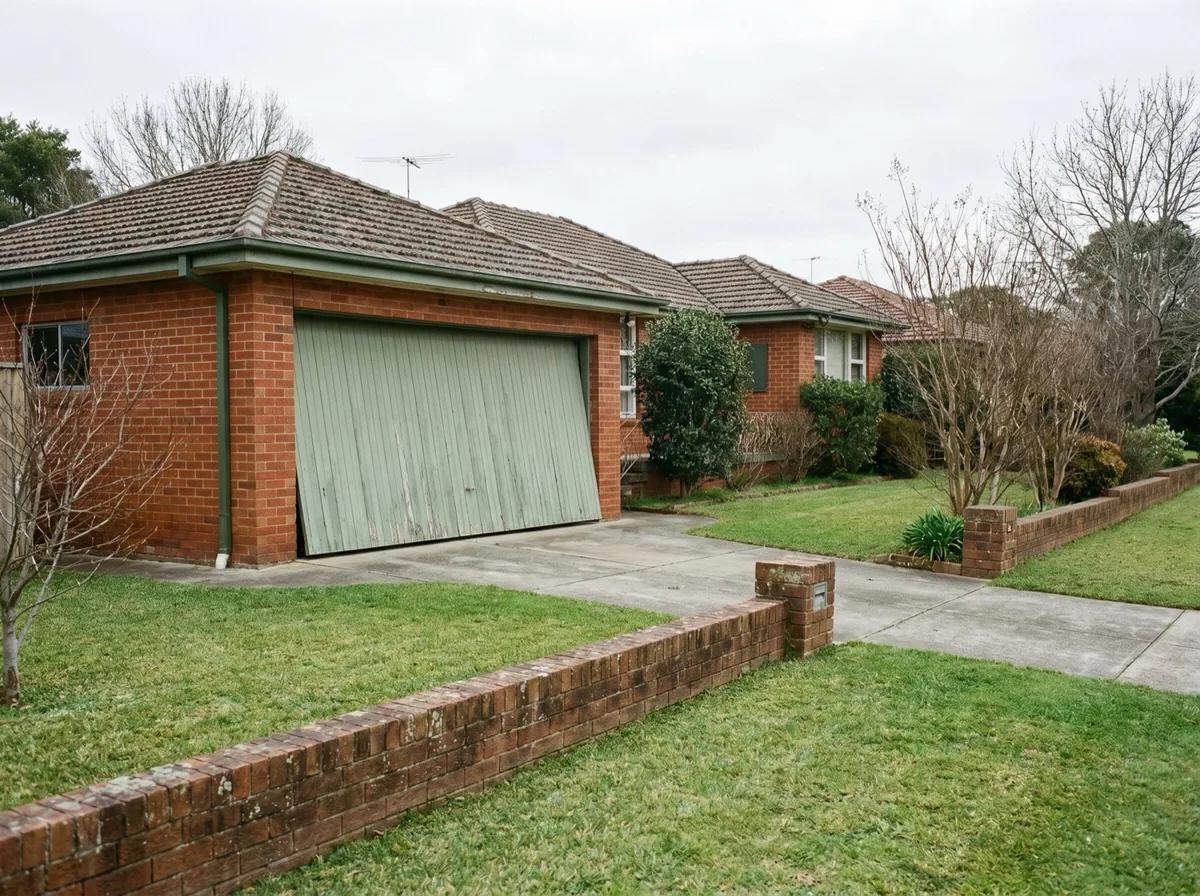
The guide
Why doors go out of square here
The ridge, the old workings, and what a racked frame actually does to a door. With sources.
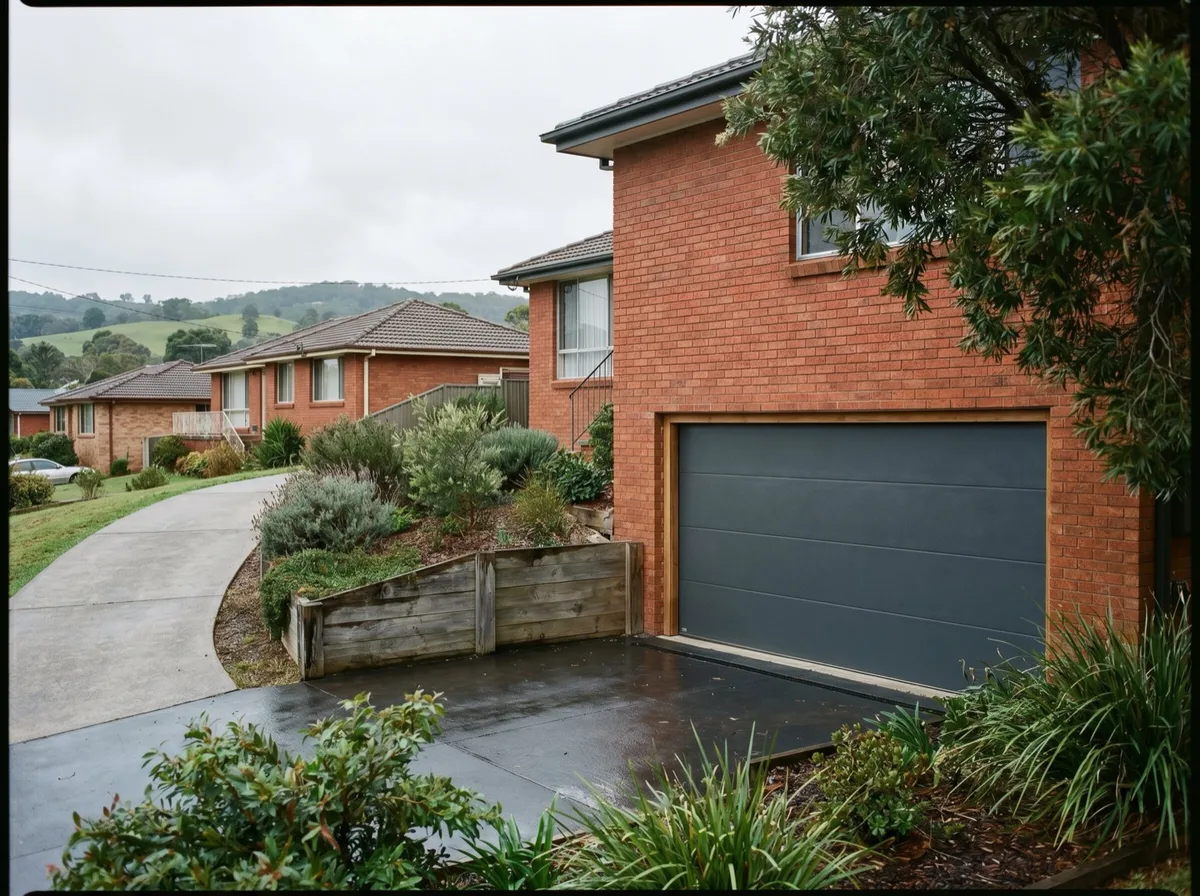
The guide
Door types for sloping blocks
Sectional, roller or tilt: what each needs in headroom and clearance, and which suits a driveway that drops.